

School LeadersContact

Case study

Rosemead School District Facility Master Plan

Rosemead School District developed a comprehensive Facilities Master Plan to strategically address both current and future infrastructure needs. The plan provides a clear roadmap for facility development, renovation, and maintenance to support educational goals and community expectations.

More Efficient Process
65%
Value
N/A
Duration
6 months
Rosemead School District Facility Master Plan

Overview

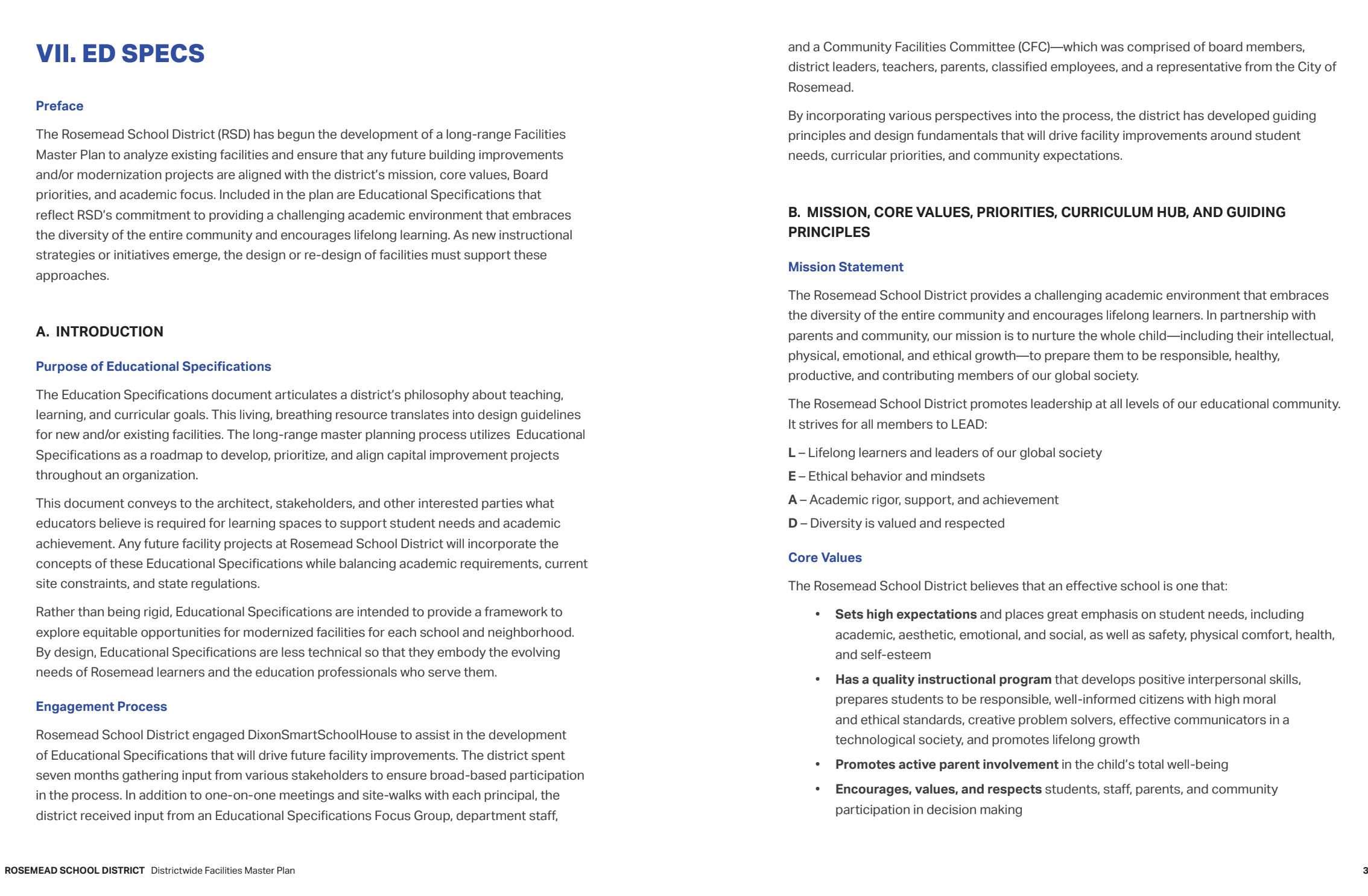
The Facilities Master Plan outlines RSD's commitment to providing safe, modern, and efficient learning environments. By assessing the condition of existing facilities and projecting future needs, the plan sets forth a series of projects aimed at enhancing the educational experience for all students.

Scope of work

  • Comprehensive Facility Assessment: We conducted thorough evaluations of RSD's existing facilities to identify deficiencies and prioritize improvements.​
  • Strategic Planning: Our team developed a phased plan to address immediate concerns and long-term goals, ensuring alignment with educational objectives.​
  • Stakeholder Engagement: We facilitated collaboration among administrators, teachers, parents, and community members to incorporate diverse perspectives into the planning process.​
  • Financial Analysis: Our experts analyzed funding options, including bonds and grants, to optimize financial resources for facility enhancements.​
  • Implementation Oversight: We provided project management services to ensure timely and cost-effective execution of the master plan.

Successes

  • Enhanced Learning Environments: Upgraded classrooms and facilities have led to improved student engagement and academic performance.​
  • Financial Efficiency: By identifying alternative funding sources and implementing preventive maintenance programs, RSD achieved cost savings. ​
  • Community Trust: Transparent planning and execution processes have strengthened community support and involvement.​
  • Sustainable Practices: Incorporating energy-efficient designs and systems has reduced operational costs and promoted environmental responsibility.

Challenges

  • Aging Infrastructure: Many of RSD's facilities were outdated, leading to increased maintenance costs and suboptimal learning environments. ​
  • Budget Constraints: Limited financial resources made it challenging to address all facility needs without strategic planning. ​
  • Evolving Educational Standards: Adapting facilities to support modern teaching methods and technology integration required significant updates. ​
  • Safety and Compliance: Ensuring facilities met current safety regulations and accessibility standards was a pressing concern.

Highlights

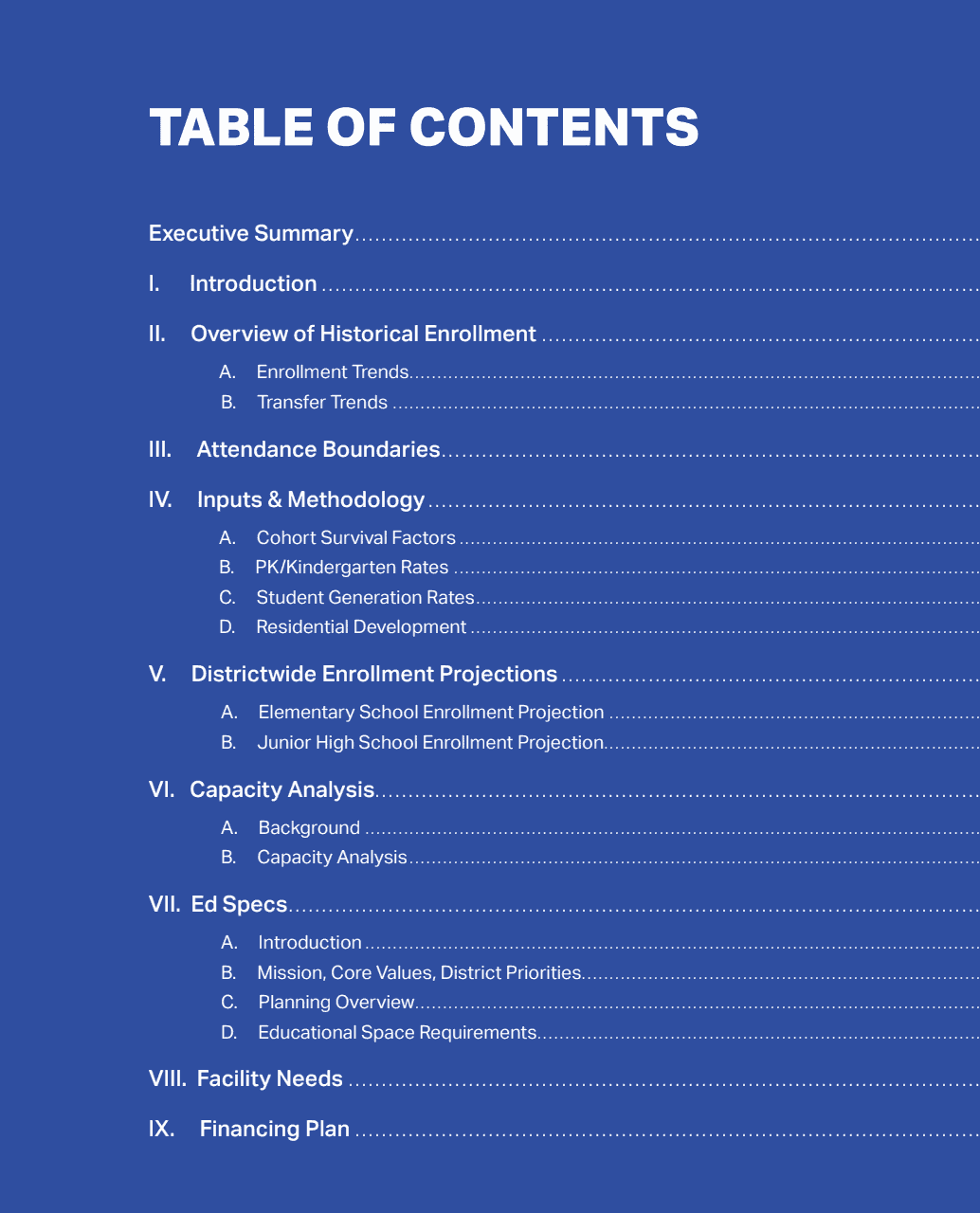
    • District-Wide Facility Assessments
      Comprehensive site walks and evaluations were conducted at all Rosemead School District campuses, identifying aging infrastructure, ADA deficiencies, and deferred maintenance priorities.
    • Prioritized Modernization Plans
      Modernization projects were prioritized to ensure equity across all campuses—upgrading classrooms, restrooms, and core facilities like multipurpose rooms and administrative offices to 21st-century standards.
    • Safety & Security Enhancements
      Safety concerns were addressed through proposed improvements such as secure front entry redesigns, updated fencing and gates, new security cameras, and enhanced lighting.
    • Technology Readiness Upgrades
      Recommendations included infrastructure upgrades to support digital learning—improved broadband access, server room ventilation, and power distribution for classroom tech.
    • Energy Efficiency & Sustainability Goals
      Evaluations were aligned with long-term energy goals, identifying opportunities for HVAC replacement, LED lighting upgrades, and solar-ready infrastructure to reduce utility costs.
    • Long-Term Enrollment & Capacity Planning
      Demographic and capacity analyses provided insight into school site utilization, helping the district understand where to consolidate, expand, or repurpose facilities.
    • Playgrounds and Outdoor Learning Environments
      Improvements were proposed for aging playgrounds, shade structures, and outdoor activity areas—supporting student health, wellness, and unstructured learning opportunities.
    • Inclusive and Flexible Learning Spaces
      Classroom modernization concepts included flexible furniture layouts, new flooring, acoustic treatments, and daylighting strategies to create adaptable, inclusive environments.
    • Phased Project Implementation Strategy
      A practical, phased approach was developed based on need, funding, and readiness—empowering the district to begin improvements with the highest impact projects first.

Rosemead School District Facility Master Plan — additional image

From our team

Perspective on this kind of engagement

40 Years Transforming Schools: Joe Dixon on Building Communities Through Better Facilities

Meet Joe Dixon, founder of School Leaders and a 40-year veteran of transforming educational environments. From starting at the bottom of Capistrano Unified in 1984 to leading Prop 51's passage for California school funding, Joe's journey proves that great schools create great communities — sometimes one lunch table at a time.

Have a similar project ahead?

30-minute call. We'll listen and tell you honestly whether the playbook from this kind of engagement fits your district.